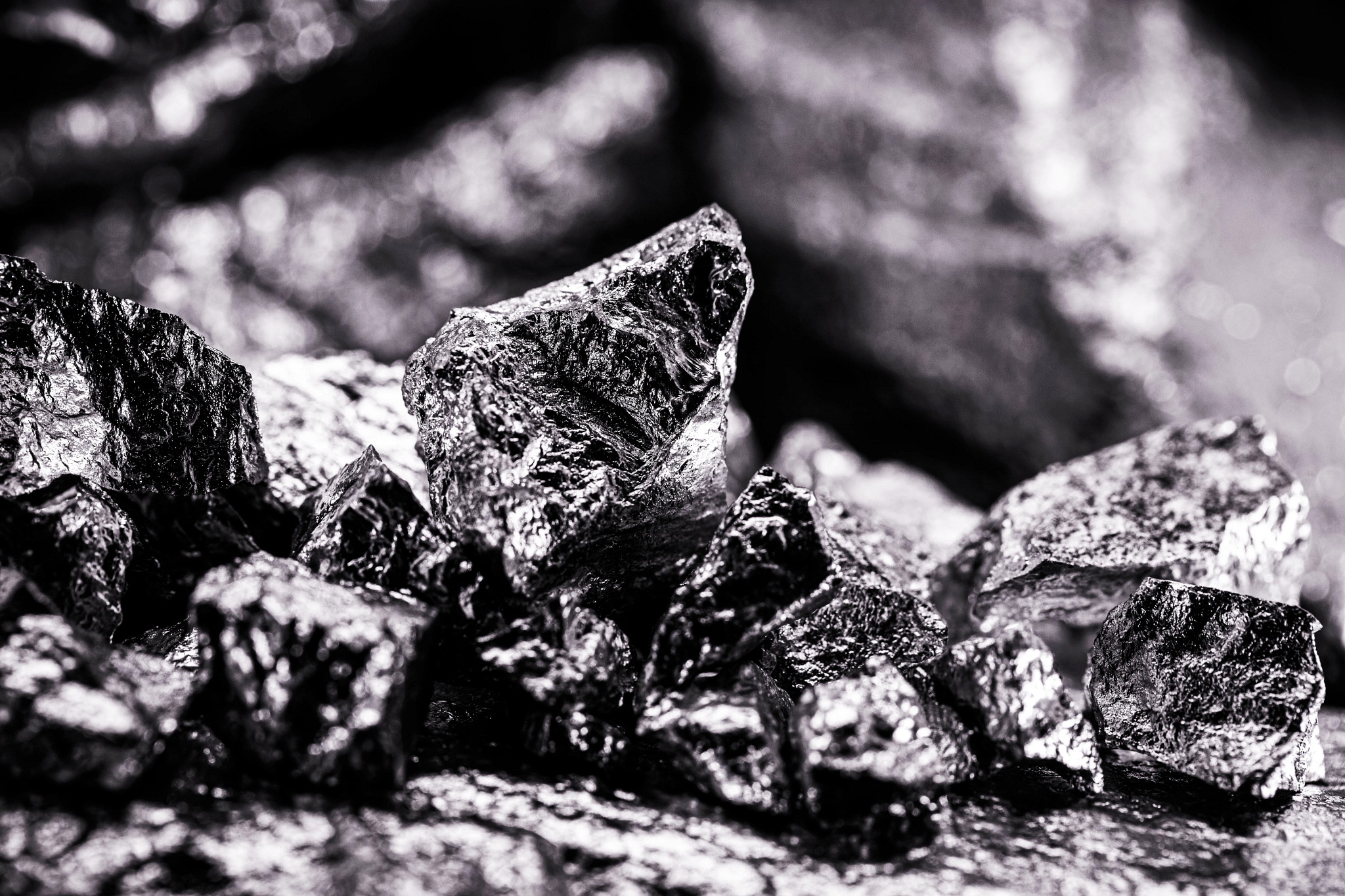
Black isn’t technically a color—it’s the absence of reflected light. Yet in jewelry, black gemstones have a rich history and vibrant symbolism. Once worn to express mourning, stones like jet, onyx, and black spinel now represent confidence, power, and style. Their versatility, durability, and sometimes affordability make them popular choices for jewelry. Discover 14 black gemstones, from common favorites to rare treasures, each with unique appearances, properties, and meanings.
Black diamonds
Natural black diamonds, a type of fancy colored diamond, get their color from internal inclusions and fractures. Some exhibit a 'salt and pepper' appearance, while others show off a deeper black achieved through heat treatment. Composed primarily of carbon with minor impurities, black diamonds are often featured in contemporary jewelry as statement pieces, typically set in white metals like platinum or white gold for a striking aesthetic.
Carbonados
Carbonados are a unique type of black diamond found primarily in Brazil and the Central African Republic. Composed of many small diamond crystals grown together, carbonados have a porous, opaque appearance, unlike typical transparent diamonds. Known for their toughness and resistance to breakage, carbonados were once used in industrial applications like drilling and cutting tools. Today, their rarity and unique appearance have made them increasingly sought after for artistic jewelry designs.
Black sapphires
Black sapphires are a variety of corundum (the same mineral species as rubies and blue sapphires) that get their color from impurities like iron, titanium or other trace elements. Known for their squid-inky color and hardness, black sapphires have been used in jewelry for centuries. The Black Star of Queensland, one of the largest gem-quality black sapphires ever found, weighed 733 carats and is owned by an anonymous private party in Switzerland.
Black tourmaline
Known as schorl, black tourmaline forms through the crystallization of molten rock or a hydrothermal process where hot fluids deposit crystals in rock fractures. Black tourmaline is typically incorporated into pendants, beads and other pieces worn close to the body because it's believed to have protective and grounding properties and to remove negative energy.
Black spinel
Black spinel, formed due to the presence of chromium, iron and vanadium, is known for its deep, velvety black color and exceptional durability. Associated with inner strength, courage and protection, it is often used as a captivating centerpiece in jewelry designs.
Melanite
Also known as black garnet, melanite gets its dark color from iron and titanium in its crystal structure. Prized for its deep, lustrous appearance, melanite garnets create striking contrasts in jewelry, especially when paired with other gemstones or metals.
Black opals
Black opals, found primarily in Australia, get their dark color from inclusions of carbon and iron sulfides. Ranging from pure black to dark brown, an opal's unique play of color is often enhanced by treatments that darken the body color. Black opals are prized for their stunning color displays and are considered symbols of passion, intensity and transformation.
Black jade
Black "jade" is a term often used for black serpentine, a dark, opaque stone with a slightly waxy luster. Formed when magnesium-rich rocks are exposed to heat and pressure, black jade's oil-like texture allows it to be easily carved into beads, pendants and sculptures. Associated with calmness, protection, emotional balance and inner peace, black jade is commonly used in spiritual practices.
Obsidian
Obsidian is a glass formed by a volcano's lava that cools extremely quickly. Its glassy luster results from its lack of crystallization. Black and deep green obsidians are common, with a hardness of 5 to 5.5 on the Moh’s hardness scale. Obsidian is believed to possess protective properties, warding off negativity and promoting self-discovery.
Black pearls
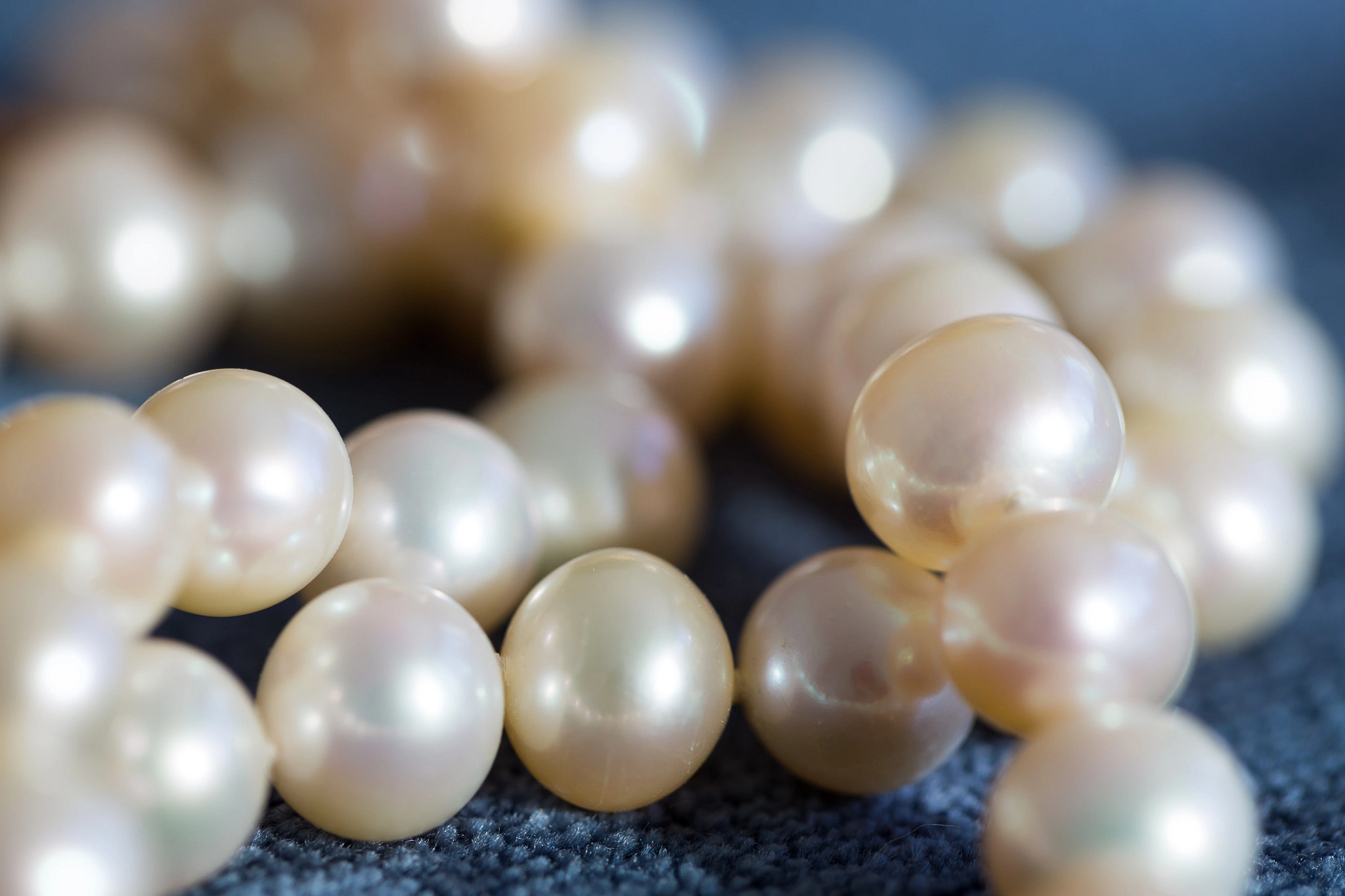
People purchase black pearls, also known as Tahitian pearls, because they are shiny, rare and beautiful. These pearls are formed by a specific type of oyster found in the South Pacific. Black pearls are often paired with white metals like silver or platinum and symbolize power, wisdom and inner strength.
Black amber
Black amber, also known as jet, is fossilized wood transformed by geological processes over millions of years. It has a glossy luster and moderate hardness. Jet has been used in jewelry for centuries, particularly in earrings, necklaces and ornamental pieces.
Black onyx
Onyx is a type of quartz often found with contrasting layers. It is sometimes referred to as black chalcedony. In ancient times, it was believed to have protective properties and was used in rings, stones and amulets to ward off evil. Today, black onyx is popular in men’s rings and cufflinks, often set in silver or gold to highlight its beautiful, waxy luster.
Black zircon
Zircon, found in igneous and metamorphic rocks, is valuable for its high refractive index (how much light is bent or refracted as it passes through a material) and its uranium content, which aids in accurate radiometric dating. Its concentric growth layers (like layers of a tree) preserve the chemical makeup of the environments they’ve encountered over millions of years.
Hematite
Hematite, an iron oxide, is a common mineral with a reddish-brown streak. It’s used in jewelry for its metallic luster, particularly in beads. Hematite can be brittle, so it’s important to ensure your gemstone is displayed in a protective setting to avoid damage.
Frequently asked questions (FAQs) about black gemstones
What are the most popular black gemstones?
Black diamonds, black onyx, black spinel and black tourmaline are among the most popular. People love black diamonds for their unique luster. However, black onyx is often a more affordable yet classy choice. Black spinel is loved for its durability and intense color, while black tourmaline is desired for its protective qualities.
What is the rarest black gemstone?
Black opals are often considered the rarest black gemstone. Their stunning color and play of light, along with their unique formation conditions in Australia, make them hard to come by. Black diamonds are also among the rarest, particularly those whose color is caused by inclusions within the stone rather than surface coatings.
How do you style black gemstones?
Black gemstones can bring sophistication and drama to any outfit. Pair them with platinum or white gold for an elegant, modern look or with warmer metals like rose or yellow gold for a luxurious, classic vibe. Black gemstones work best with neutral or monochrome outfits, making the jewelry the focal point. They also complement deep jewel tones like emerald green or sapphire blue.
How can you tell if a black gemstone is real?
The easiest way to tell if a black gemstone is real or not is by its temperature. Real black gemstones are cool to the touch and won’t warm up quickly, if at all, when you hold them. You can also utilize a scratch test and an acid test to check if your black gemstone is real, but this is not recommended as you can damage whatever gemstone you have in your possession, real or not. If you suspect it’s a real black gemstone, check with a reputable jeweler near you to confirm its authenticity.
How do you care for black gemstones?
Avoid exposing black gemstones to harsh chemicals, such as chlorine or ammonia, which can damage their luster. Ultrasonic cleaners can be too harsh for some black gemstones, so it's best to hand-clean them with mild soap and warm water.Store black gemstones separately in soft pouches or jewelry boxes to help prevent them from getting scratched by other jewelry. Have your black gemstone jewelry professionally cleaned and inspected periodically to maintain its brilliance.
Insure your black gemstones with Jewelers Mutual
If you have one of these 14 beautiful black gemstone types in your collection or you’re considering making a new purchase, be sure to protect them with a personal jewelry insurance policy from Jewelers Mutual. It’s an affordable option that covers loss, damage, and disappearances. You can check your rate by clicking the button below.