Gemstones are beautiful and fascinating to admire. But a color-changing gemstone? That almost feels like magic. These rare color-changing stones shift in hue under different types of light, revealing a unique quality that sets them apart from more traditional stones. While not quite magic (their transformations are rooted in science!), the changes can be dramatic. With the proper lighting, a single gem can look like two or even three entirely different stones. Read on to learn why some gemstones change color, what affects their appearance and how to care for them to maintain their value and vibrancy.
What is gemstone phenomena?
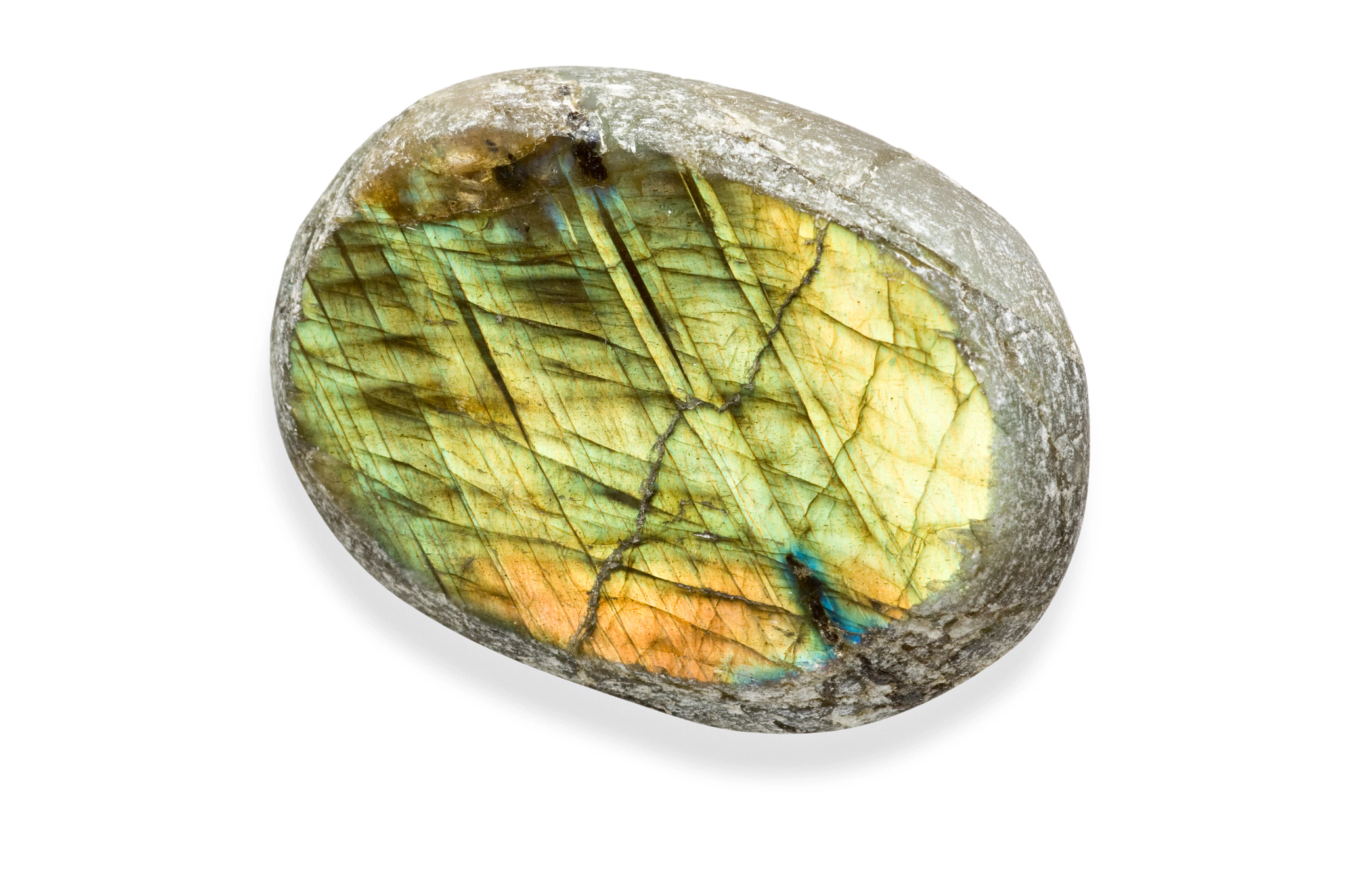
In gemology, “phenomena” refers to unusual optical effects that occur in certain gemstones due to the way they interact with light. It’s important to note that these effects are not flaws. Instead, they often make a gemstone more desirable. Common examples include iridescence (a rainbow-like play of color), asterism (star effects), chatoyancy (a cat's eye effect), and color change.
When a gem appears to change color depending on the lighting (like in daylight versus incandescent light), this phenomenon is called color change. Similarly, pleochroism occurs when a gem exhibits different colors or intensities when viewed from various angles, resulting from the way it absorbs light within its crystal structure. So, color change depends on the light source, while pleochroism depends on the viewing angle.
While most gems appear consistent in color regardless of lighting, color-changing gemstones behave differently. This rarity makes them more complex to cut, grade and value, and means it’s worth considering how a gemstone’s appearance might shift in different environments before making a purchase.
What is color change and color shift?
Two related but distinct phenomena—color change and color shift — describe how a gem’s appearance transforms under different lighting conditions. Understanding these effects can deepen your appreciation and guide smarter choices when selecting color-sensitive stones.
Color change
As mentioned, color change is a distinct and dramatic transformation in a gemstone’s color when viewed under different light sources (typically daylight, which is rich in blue wavelengths, versus incandescent light, which is warmer and yellow-red). For example, a gemstone might appear bluish-green in natural daylight but shift to reddish-purple under incandescent lighting. The more pronounced and complete the color change, the more valuable the stone tends to be.
Color shift
Color shift, on the other hand, is more subtle. The stone may maintain its primary hue, but with noticeable overtones that become more or less prominent depending on the lighting. A blue gem may appear to have a purplish tint indoors, or a red gem may lean slightly brown in different lighting.
Both effects are caused by trace elements in the crystal structure and how those elements absorb or scatter specific wavelengths of light. Vanadium, chromium and iron are some of the elements most commonly responsible for these dramatic changes.
Types of color-changing gemstones
Many gems on the market are sold as “color change” stones, but only a few genuinely display a dramatic, verifiable color change. Below is a list of color-changing gemstones most commonly recognized and valued for this phenomenon, along with details on how and why their colors transform.
Alexandrite
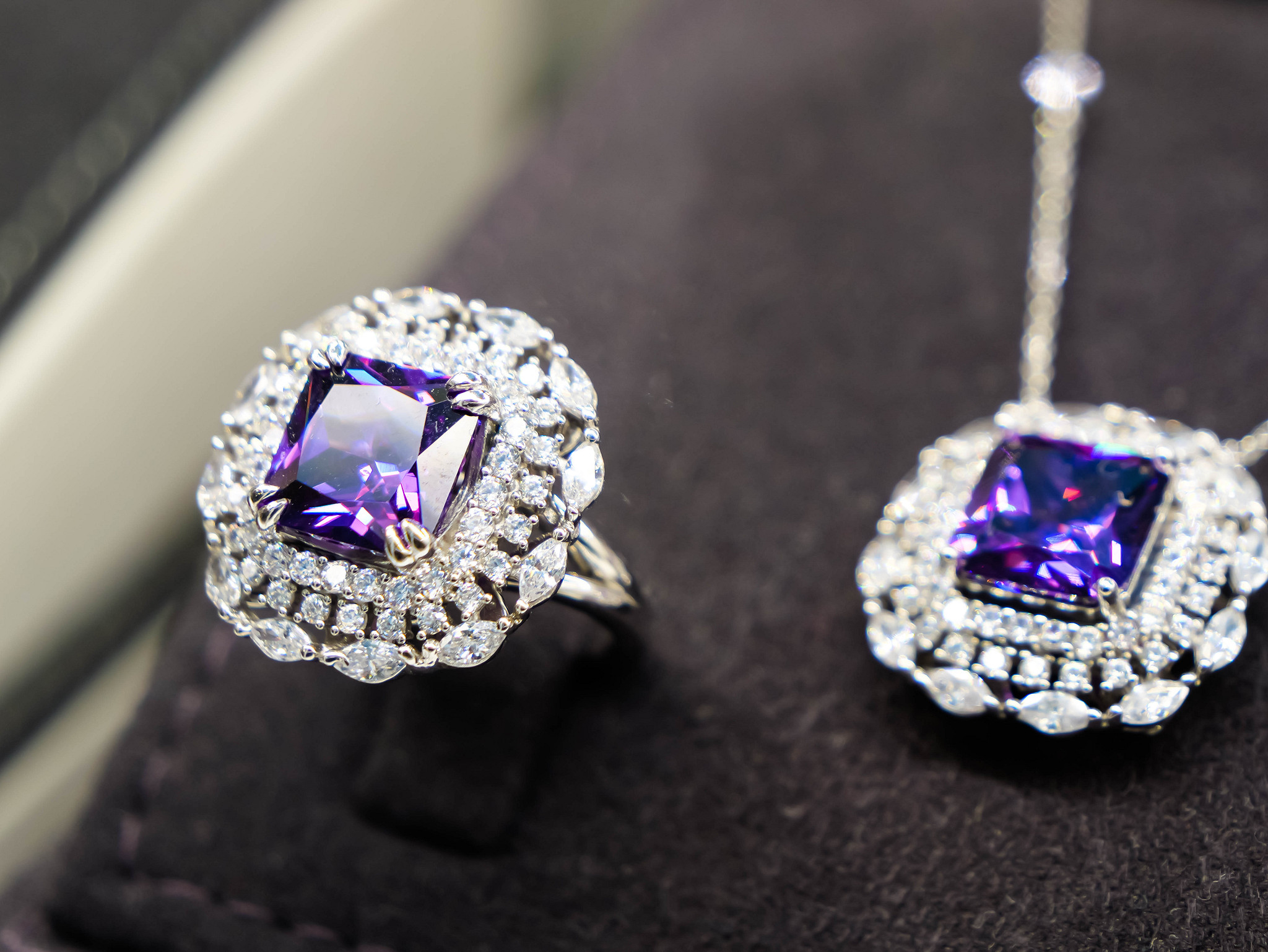
The gold standard of color-changing stones, alexandrite, is known for its strong and immediate shift from green (in daylight or fluorescent light) to purplish-red (under incandescent light). Discovered in Russia in the 1830s, it quickly became associated with nobility and was named after Czar Alexander II.
Today, most alexandrite comes from Sri Lanka, East Africa and Brazil, with its remarkable color change caused by chromium within the stone’s structure. A high-quality alexandrite will show nearly a 100% color shift, a hue transformation rivaled by few (if any) other gemstones, making it extremely rare and valuable. Stones over one carat with excellent color change can be valued at tens of thousands of dollars per carat.
Fluorite
While not as widely known, fluorite can show some striking color changes, typically from blue to purple. Fluorite owes this color-changing ability to its internal structure and the presence of rare-earth elements that respond to ultraviolet light. However, only a small fraction of fluorite specimens show a color change.
Because it ranks just 4 on the Mohs hardness scale, fluorite is better suited for earrings, pendants or as part of a collection rather than everyday rings or bracelets. Additionally, fluorite is sometimes fluorescent (glowing under UV light), adding another layer of optical appeal.
Sapphire
Known primarily for its rich blues, sapphire also occurs in a variety of hues, including rare stones that exhibit color changes. These stones often shift from blue to violet or green to reddish-purple depending on the lighting.
Color change in sapphire is typically caused by vanadium, which interacts with light to create shifting visual effects. The change is usually less dramatic than that of alexandrite, but still highly valued for its uniqueness. Not all sapphires change color, so it’s important to confirm the effect with proper lighting before purchasing. A genuine color-change sapphire will be labeled and graded as such.
Garnet
Garnets are incredibly diverse, and while most are known for deep reds, some rare varieties exhibit color change. These garnets often shift from greenish in daylight to reddish or purplish under incandescent light—a transition so intense that it can be confused with alexandrite.
The color change in garnet is a result of traces of chromium and vanadium. While garnet typically ranks around 6.5 to 7.5 on the Mohs scale, its color-change forms are relatively durable and suitable for a variety of settings. As January’s birthstone, garnet’s more familiar forms are widely available—but the color-changing variety is rare and often commands a premium.
Other notable mentions
Although less common or dramatic, several gemstones can display subtle color shifts under specific lighting conditions. Spinel, for example, may transition from violet to reddish tones in certain stones. Zultanite is known for its ability to shift from a kiwi green hue in daylight to a pinkish-champagne tone under indoor lighting. Kunzite may also exhibit a subtle shift in purplish-pink shades, depending on the cut and the light source. These stones offer a unique visual experience and are great options for those seeking something a bit different while staying within a more accessible price range.
Why cutting and certification matter
A gemstone's cut plays a significant role in how effectively it displays color change or color shift. A well-cut stone will enhance light performance and maximize the visibility of optical phenomena from multiple angles. A gemstone with a poor cut, on the other hand, can mute or distort these effects, making even a dazzling, rare stone appear dull.
Certification from reputable labs helps confirm the authenticity of the gemstone and verifies its color-change properties. This documentation is crucial when investing in rare stones like alexandrite or color-change garnet, where value is directly tied to their optical performance.
Treatments of color-changing gemstones
Many gemstones on the market undergo treatments, such as heat, diffusion or irradiation, to improve their color or clarity. While some treatments are stable and widely accepted, others may reduce a gem's long-term value or alter its appearance in different lighting conditions. For color-change stones, treatments can either enhance or diminish the visible shift, depending on how the crystal structure is affected. It's essential to inquire whether a gemstone has been treated and, if so, how, before making a purchase. Untreated or minimally treated stones tend to be more valuable, especially when the color-change effect is strong and natural.
How to protect your color-changing gemstones
Owning a color-changing gemstone is like owning your own personal light show. But to protect and preserve its beauty and value, it’s essential to care for it properly. Here’s how to keep your investment safe:
Understand durability
Not all color-changing stones are created equal. Sapphire and alexandrite are quite hard (Mohs hardness ranking of 9 and 8.5, respectively) and can withstand daily wear. Fluorite and some garnets, on the other hand, are softer and better suited for occasional wear. Before wearing, understand where your gem sits on the Mohs scale and whether it’s prone to scratches, chips or breakage.
Avoid harsh chemicals
Color-changing stones can be sensitive to heat and household chemicals. Never use bleach, ammonia or ultrasonic cleaners. Instead, gently clean your jewelry with lukewarm water, a mild soap and a soft brush.
Store separately
To avoid scratches, store your gemstone jewelry in a soft pouch or individual compartment. Color-changing gems should also be kept away from prolonged direct sunlight, as this can cause fading in some stones over time.
Insure your color-changing jewelry
These rare gemstones often hold high financial and sentimental value. Protect them from theft, damage or loss with jewelry insurance from Jewelers Mutual. While many people secure jewelry insurance through their homeowners policy, securing a personal jewelry insurance policy from Jewelers Mutual may give you more coverage than a traditional homeowners policy. Click the link below to check your rate today!