When it comes to jewelry metals, most people can easily name the classics: gold, silver, platinum—maybe even titanium. But there’s another silvery-white metal quietly doing a lot of heavy lifting behind the scenes—and that’s palladium. Palladium is a rare and satiny-looking precious metal that belongs to the platinum family of metals. Though it’s often mistaken for white gold or platinum due to its similar appearance, palladium has a unique set of properties that make it a standout in the jewelry world. Wondering what palladium is used for? Read on to discover everything you need to know about this understated yet powerful metal, including what palladium jewelry is, its history, cost, durability and why it's becoming an increasingly popular choice for modern jewelry lovers.
A brief history of palladium
Palladium was discovered in 1803 by the English chemist William Hyde Wollaston. Though it wasn’t widely used in jewelry at first, palladium gained popularity during World War II, when platinum was reserved for military use, and jewelers needed an alternative for engagement and wedding rings. Its hypoallergenic properties and natural whiteness made palladium especially attractive, as it doesn’t require rhodium plating like white gold. Palladium experienced a resurgence in the early 2000s as precious metal prices fluctuated and demand for durable, low-maintenance metals increased. Today, it remains a popular yet often underrated choice for fine jewelry, with its sleek and modern aesthetic and lasting durability.
How to identify palladium jewelry
Palladium jewelry is usually stamped with a hallmark such as "PD950" or "PALL." Its light weight, bright white color and resistance to tarnishing can also help distinguish it from other white metals like silver or white gold.
Does palladium tarnish?
Palladium doesn’t tarnish the same way other popular metals, such as silver, do. In fact, palladium is quite resistant to tarnishing because it doesn’t react with the atmosphere at ordinary temperatures. Still, over time, palladium can develop a soft patina (a subtle, natural sheen that forms from regular wear). This patina doesn't darken or dull the metal too dramatically. Instead, it gives palladium a unique, slightly matte finish that many wearers enjoy.
Because it's so durable and tarnish-resistant, palladium is widely used in jewelry. While wedding bands may come to mind, what palladium is used for extends beyond rings, playing a starring role in watches, earrings, and even industrial applications.
Is palladium better than other metals?
Palladium tends to fly under the jewelry radar a bit. But once you understand what palladium is and how it performs, it easily becomes a contender against more familiar metals. Whether palladium outperforms other metals depends on your priorities, from budget to appearance and durability. Read on for a breakdown of how palladium compares to white gold, platinum and sterling silver.
Palladium vs. white gold
While both have a similar, silvery-white appearance, palladium has a natural white hue, while white gold’s color is achieved by alloying yellow gold with other metals and dipping it in rhodium. Over time, white gold’s rhodium may require re-plating to maintain its brightness, but palladium does not. Palladium is also hypoallergenic, making it a better option for those with sensitive skin. If you are weighing different colors of gold for future jewelry, you may want to consider adding palladium as an option!
Palladium vs. platinum
Palladium and platinum are both members of the platinum metals group. They are both resistant to tarnish and share similar durability properties. The key difference, however, is weight. Palladium is significantly lighter, which can make it more comfortable for daily wear. Platinum, on the other hand, is denser and tends to feel more substantial, which some people prefer. Palladium can be a more affordable option, however, while providing comparable visual appeal and performance.
Palladium vs. sterling silver
Sterling silver is significantly softer and more prone to tarnishing than palladium, requiring more frequent polishing and care. Palladium’s strength and naturally white luster make it a more durable and low-maintenance choice for everyday jewelry. Silver is generally more affordable, but it doesn’t have the same longevity or wear resistance as palladium. For heirloom-quality pieces or daily wear, palladium may be the better choice.
Why should you choose palladium for engagement rings and wedding bands?
Palladium belongs to the elite category of the strongest metals for wedding bands thanks to its resilience, natural hardness, and low maintenance. Its naturally white color doesn’t require rhodium plating like white gold. Palladium is also hypoallergenic, making it an ideal choice for individuals with sensitive skin. Lightweight yet durable, it offers everyday comfort without compromising resilience. If you are looking for a sleek, modern metal that stands the test of time, palladium might be just what you’re looking for.
How much does palladium cost?
Palladium is typically more affordable than platinum, but more expensive than silver and white gold. Palladium’s price can fluctuate based on market demand and availability, as it's considered a precious metal with industrial and jewelry uses. On average, palladium rings may range from $500 to $2,500* depending on the design, weight and craftsmanship. While this may not be the cheapest option, palladium offers tremendous long-term value. For couples seeking a high-quality metal without the premium cost of platinum, palladium is a smart middle-ground option.
Protect this precious metal with Jewelers Mutual
Whether you've decided on moving forward with that palladium jewelry purchase or you've settled on another beautiful metal, it's always a smart decision to insure your valuable jewelry with a personal insurance policy from Jewelers Mutual. There are benefits to insuring your jewelry with a personal jewelry insurance policy rather than insuring it under a homeowners insurance policy. Learn more here or check your rate using the button below.
FAQs About Palladium
If you're unfamiliar with what palladium is, you're not alone. It’s a versatile and durable metal that’s gaining traction in modern fine jewelry. Below are answers to some of the most common questions about using palladium in fine jewelry.
Is a combination of platinum and palladium an option in the same ring design?
Yes, it’s possible to combine platinum and palladium in the same ring design, but it requires thoughtful craftsmanship. Both metals are part of the platinum group and share similar characteristics, such as durability and that sought-after, silvery-white appearance. However, these two metals differ slightly in weight and properties, which may affect how they’re joined or finished. For a seamless result, ensure you work with a jeweler experienced in both metals.
Are colored gemstones suitable for palladium settings?
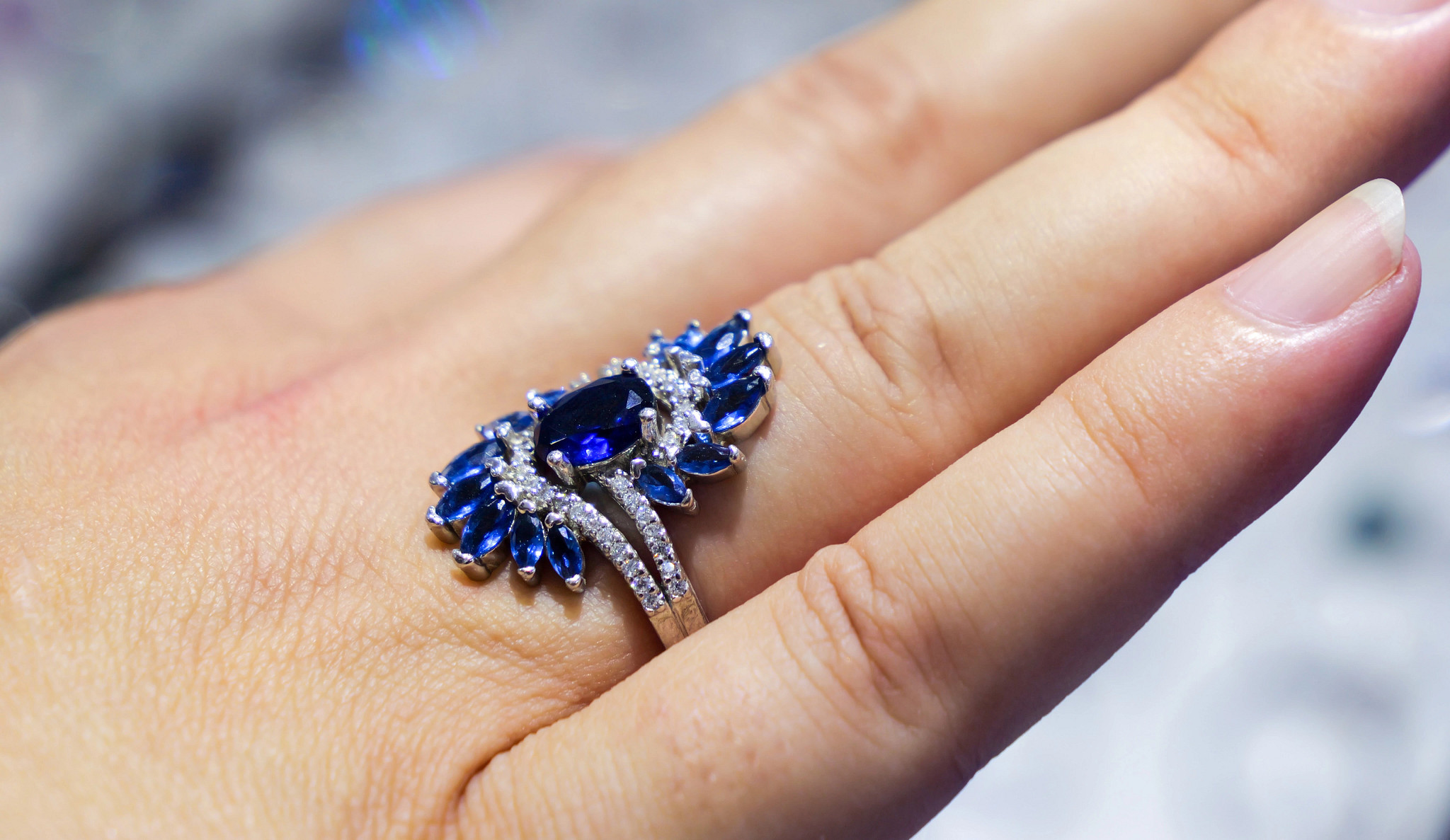
Yes. Absolutely. 100%. Colored gemstones pair beautifully with palladium, whose neutral tone provides a clean, modern look that enhances vibrant stones like sapphires, rubies, and emeralds, as well as more delicate options like morganite. Palladium’s strength also typically provides a secure setting, perfect for jewelry worn daily. Just be sure to consider your gemstone’s durability just as much as your metal’s - a beautiful palladium ring won’t look its best if it features a damaged soft stone!
Does palladium need to be plated?
Unlike white gold, which typically needs rhodium plating to maintain its bright, silvery color, palladium is naturally white and does not require plating. This means less maintenance over time, and you don't have to worry about the metal wearing down to reveal a yellowish undertone. Palladium's natural luster holds up well with minimal upkeep, making it an excellent choice for those seeking low-maintenance bling.
How does palladium age over time?
Palladium develops a soft patina over the years, which gives it a slightly matte finish. This aging process is typically embraced by wearers, admired for the character it adds to a piece of jewelry. Unlike tarnishing or corrosion, this patina is not damaging, and your palladium can be polished back to its original shine if that's your preference.
Is palladium hypoallergenic?
Yes, palladium is considered hypoallergenic, so it's a wonderful option if you have sensitive skin or metal allergies. Palladium doesn’t contain nickel, a common allergen found in some other white metals like white gold. If you’ve experienced reactions to other metals, palladium may offer a hypoallergenic and stylish alternative.
*2025 estimated price range