Jewelry is an adornment. It’s decorative. It’s an accessory. But jewelry is also a reflection of the moment we live in. From materials and manufacturing to styling and symbolism, every shift in culture leaves its mark on the jewelry pieces people wear. In 2026, you can expect the jewelry world to continue evolving in response to shifting values and an always-growing appreciation for timeless design. This 2026 jewelry trends forecast is based not only on style preferences, but also on innovations in gem cutting, ethical sourcing and customer buying behavior. Let’s explore the top 2026 jewelry trends that are shaping the industry.
Trend #1: Soft geometry and fluid shapes
Upcoming jewelry trends see angular lines starting to take a bit of a back seat to more organic forms in both fine and fashion jewelry. Fluid curves, asymmetrical silhouettes and designs that feel more like sculpture than ornaments are beginning to emerge and are expected to see mainstream adoption in 2026. This trend embraces natural movement and imperfection. Oval loops, melting shapes and winding gold bands also align nicely with this vibe.
This shift comes in response to the rigidity of past minimalism, as consumers seem to want something more expressive, with pieces that evoke emotion and spontaneity. New 3D modeling technologies also now allow jewelry makers to create flowing, unexpected forms with more precision and efficiency than ever before.
Fluid shapes also connect to a broader movement toward gender-neutral design. Without hard lines or traditional motifs, these pieces appeal to a wide range of personal style identities and can be easily layered, stacked, or worn solo.
Trend #2: Modern stacking
Stacking jewelry, especially rings, bangles and earrings, isn’t new, but in 2026, this trend will evolve to utilizing cleaner, more curated styles. Instead of overloading with texture and size contrast, stacking styles are expected to lean toward intentional placement and unity around a theme.
People are choosing stackable pieces that tell a story, mixing heirlooms with new designs, mixing metals and stone shapes or building a look around a signature motif. Even ear stacks have become more thoughtful, with mismatched huggies, cuffs and studs arranged in balanced, artistic combinations. It’s an expressive approach that lets wearers show off their personality without overwhelming their style.
Trend #3: Quiet luxury and minimal opulence
Quiet luxury, one of the most popular phrases in style right now, describes the movement toward understated elegance. In jewelry, this translates to unbranded, high-quality pieces made with excellent materials—nothing flashy or over-the-top; just timeless design that is well executed.
In 2026, buyers will gravitate toward solid gold, subtle gemstone accents, and refined details over dramatic statements. Rather than flashy carat weights or bold color, wearers are expected to put a focus on craftsmanship and versatility, showcasing jewelry that feels as at home with a cashmere sweater as with a silk gown.
This rise in minimal opulence also reflects post-pandemic consumer habits, characterized by fewer instances of impulse buying and more thoughtful investments in pieces meant to be worn often and treasured for the long term. Exceptional jewelry is no longer just for special occasions. It’s becoming a quiet, everyday expression.
Trend #4: Timeless gems, modern settings
Expect to see a continued revival of interest in colored gemstones particularly classics like emeralds, sapphires and rubies—but reimagined in contemporary settings. Instead of traditional halo ring settings or vintage-inspired designs, these stones are being set into open, minimal or even architectural designs.
This approach enables the gem to take center stage while maintaining a fresh and relevant overall design. Unusual combinations, such as sapphires paired with brushed yellow gold or emeralds in bezel-set geometric earrings, are making heritage stones feel contemporary again.
Trend #5: Mixed metals
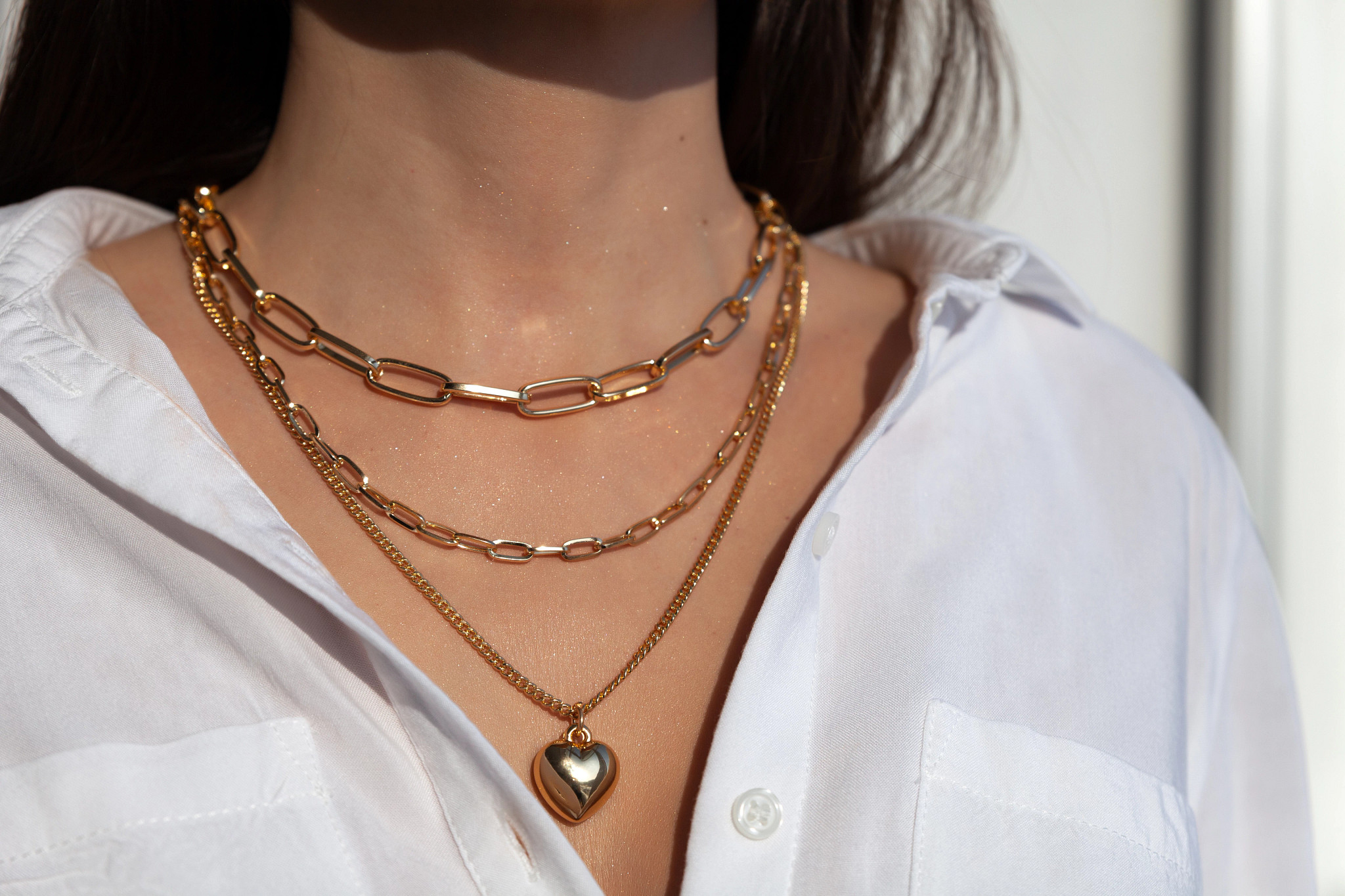
Once considered a jewelry faux pas, mixing metals is now a core jewelry styling choice—and the trend is poised to become even more prominent in 2026. The contrast between yellow gold, white gold and rose gold tones brings depth to even the most minimal pieces.
Mixing metals is also not confined to mixing different metals across different pieces. Designers are now intentionally blending metals within single pieces, such as rings with platinum shanks and yellow gold bezels, or offering modular components that can be worn interchangeably. This flexibility allows wearers to adapt their look without needing a full wardrobe of different-tone pieces.
The key to succeeding here is in proportion and polish. Mixed-metal jewelry feels “right” when the finishes are cohesive and the mixing looks intentional—not chaotic.
Trend #6: Fancy cuts and unique combinations
2026 is expected to be the year of the unexpected when it comes to stone shapes. Oval and round will always have their place, but fancy cuts, like marquise, kite cut (literally shaped like a flying kite!), hexagon and even custom-cut free forms, are quickly gaining ground.
Modern consumers are seeking ways to stand out, and unique gemstone combinations play a key role in that equation. This might include teal sapphires paired with rose-cut diamonds or asymmetric engagement rings that blend multiple stones into a piece of art. These one-of-a-kind combinations enable jewelers to showcase their artistry and provide buyers with a deeper sense of connection to the piece.
Fashion’s role in influencing jewelry trends
Jewelry doesn’t exist in a vacuum. It reflects and responds to the broader fashion ecosystem. As clothing silhouettes in 2026 evolve, so too will the type of jewelry people want to wear. Oversized tailoring and dramatic necklines, for example, are making space for bold collar necklaces, sculptural earrings and chunky cuffs. In contrast, minimalist ready-to-wear looks are fueling the continued popularity of subtle stacking rings and dainty chains.
There’s also a move toward “complete looks” where accessories are carefully curated to complement specific aesthetics like “sophisticated coquette”, “quiet cool” or “techno-tailored.” This styling approach means that consumers are thinking beyond single pieces and looking for jewelry that supports a head-to-toe ensemble.
2025 Jewelry trends that are still going strong
Some of the most prominent trends from 2025 haven’t faded. They’ve simply evolved.
The pearlcore trend
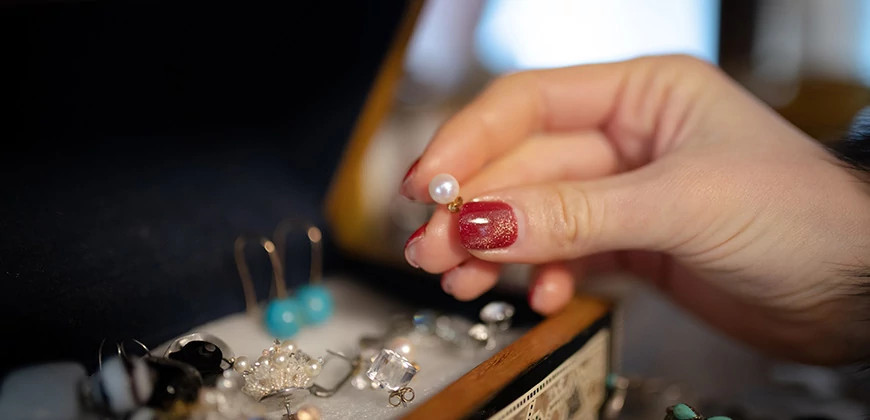
The pearlcore wave, for instance, will carry into 2026, but pearls are being incorporated into edgier designs, such as baroque pearls on ear cuffs, irregular placements in mixed-metal settings, and layered with chains for an unexpected vibe.
The celestial trend
Similarly, celestial motifs that dominated 2025 collections—stars, moons, and sunbursts—are still present, but expect to see these designs paired with futuristic settings and cleaner lines (less whimsical, more refined). Even the maximalist aesthetic that surged in 2025 (thanks in part to TikTok) is sticking around, but in more mature interpretations. These lasting trends demonstrate that while consumer attention shifts rapidly, truly resonant design can have a lasting impact across multiple seasons.
Global influence on jewelry in 2026
In 2026, the jewelry world is increasingly shaped by international design perspectives and cultural crossovers, as consumers look beyond Western trend cycles for inspiration. Global aesthetics are influencing styles and redefining the values that drive jewelry buying, from sustainability to gender fluidity and craft authenticity.
South Korea is expected to continue leading the charge in wearable minimalism, with jewelry that mirrors the refined, gender-fluid style seen in K-pop and Korean dramas. Clean lines, petite proportions and soft detailing are key features, with pieces like slim chain chokers, micro hoops and layered ear cuffs gaining global popularity. These designs pair understated elegance with emotional expressiveness, making them highly adaptable across various age groups and genders.
Scandinavian design is also influencing both the look and philosophy behind modern jewelry. Prioritizing sustainability and timeless utility, Scandinavian-inspired pieces often feature recycled metals, muted finishes and minimal yet structured forms.
From India, there’s a renewed global appreciation for traditional goldsmithing techniques, like filigree and kundan work, now reimagined in modular, everyday designs. Together, these international influences are bringing in a new wave of jewelry that’s beautiful, more meaningful, responsible and globally connected.
Get ahead with jewelry protection
Looking ahead, as fine jewelry trends become more experimental and personal, protecting your pieces is more important than ever. Whether you’ve invested in a gold paperclip necklace, a bespoke sapphire ring or a curated stack of earrings, comprehensive jewelry insurance can provide protection against loss, theft, damage (especially important for delicate cuts or unique settings), disappearance and provide repair or replacement of jewelry of same kind and quality. Unlike homeowners insurance, dedicated jewelry insurance may offer broader and more tailored protection. Click below to check your rate today.